
Adjusting your skin care routine through the decades
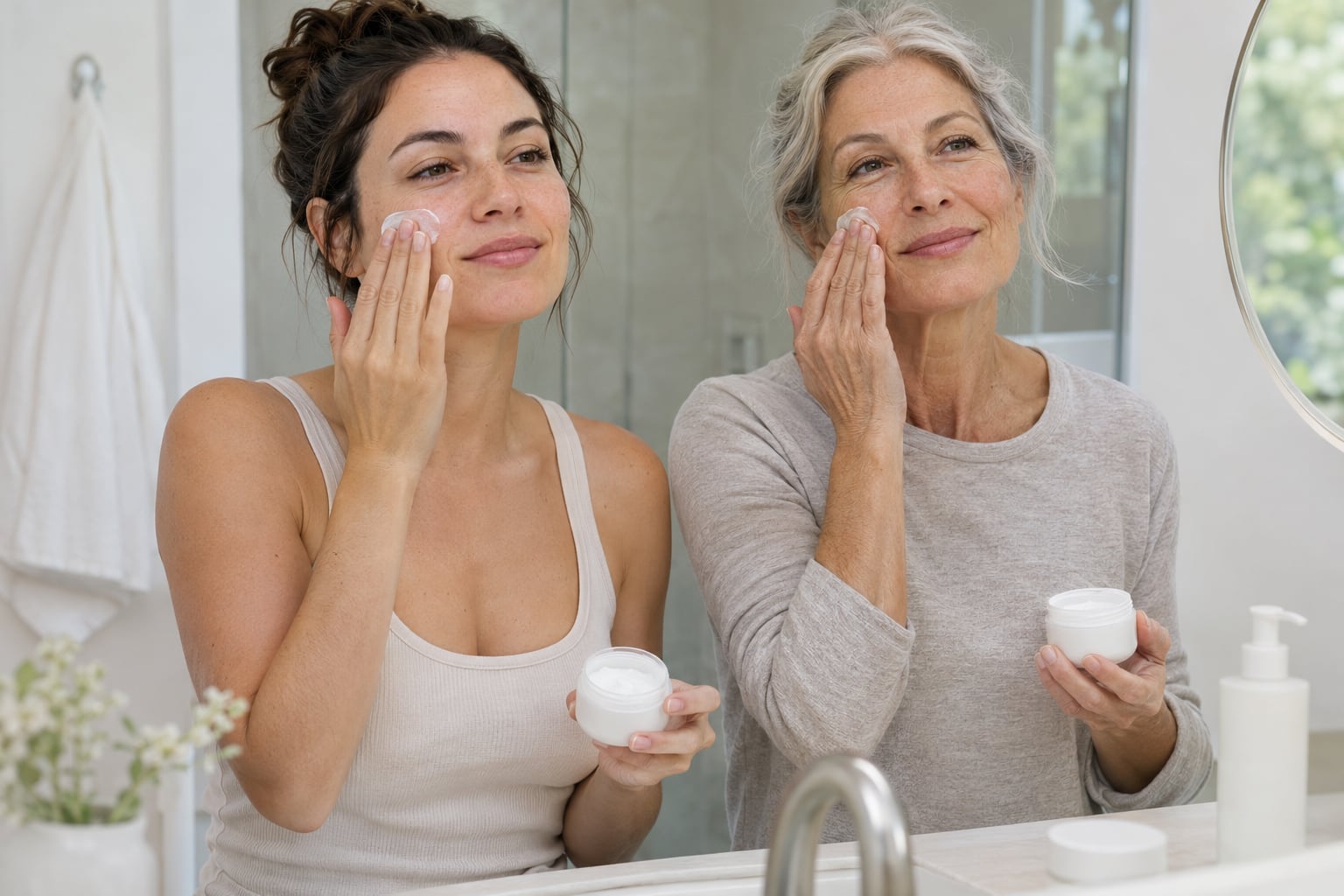
"Your skin care should change with your age" is advice you may hear at a skin care counter. This piece tests that claim against published guidance, for readers in Saline, Michigan.
The claim as it is usually pitched
The pitch is that a routine should follow your decade. The American Academy of Dermatology has published guidance for your 20s and separate guidance for your 40s and 50s. That pitch rests on two ideas: that skin changes by decade, and that products should follow. Each can be checked against published guidance.
What this claim is checked against
The American Academy of Dermatology says retinol can give you younger-looking skin by speeding up new skin cell turnover, which starts to slow in your 20s. For skin that already shows sun damage, the guidance on how dermatologists treat sun-damaged skin is the page to check a proposal against.
Where the guidance shifts with age
For your 40s and 50s, the American Academy of Dermatology says moisturizer traps water in our skin, giving it a more youthful appearance. The page for your 20s mentions retinol, and the page for your 40s and 50s mentions moisturizer. That is a difference between decades. It is worth asking anyone selling a routine which decade they assume and which source says so.
Treatments beyond the shelf
Some clinics offer treatments that go beyond products. One published example is a prospective trial of radiofrequency and focused ultrasound in facial rejuvenation. Read how a study was built before treating any headline from it as settled.
The question to bring
Does this routine assume my skin is the average skin of my decade? Ask which published source supports each product in it. If the answer names a publisher, read the page. If it names only a brand, keep looking.